

If you work in digital marketing, SEO trends 2026 look very different from what it was just a few years ago. Search is more visual, more AI‑driven, and a lot more focused on real‑world value than simple keyword tricks.
In this guide, we’ll break down the shaping for SEO trends 2026, from AI-powered search results and EEAT signals to content clusters and modern optimisation strategies that actually drive traffic, leads, and results.
Search is smarter (and more AI‑driven)
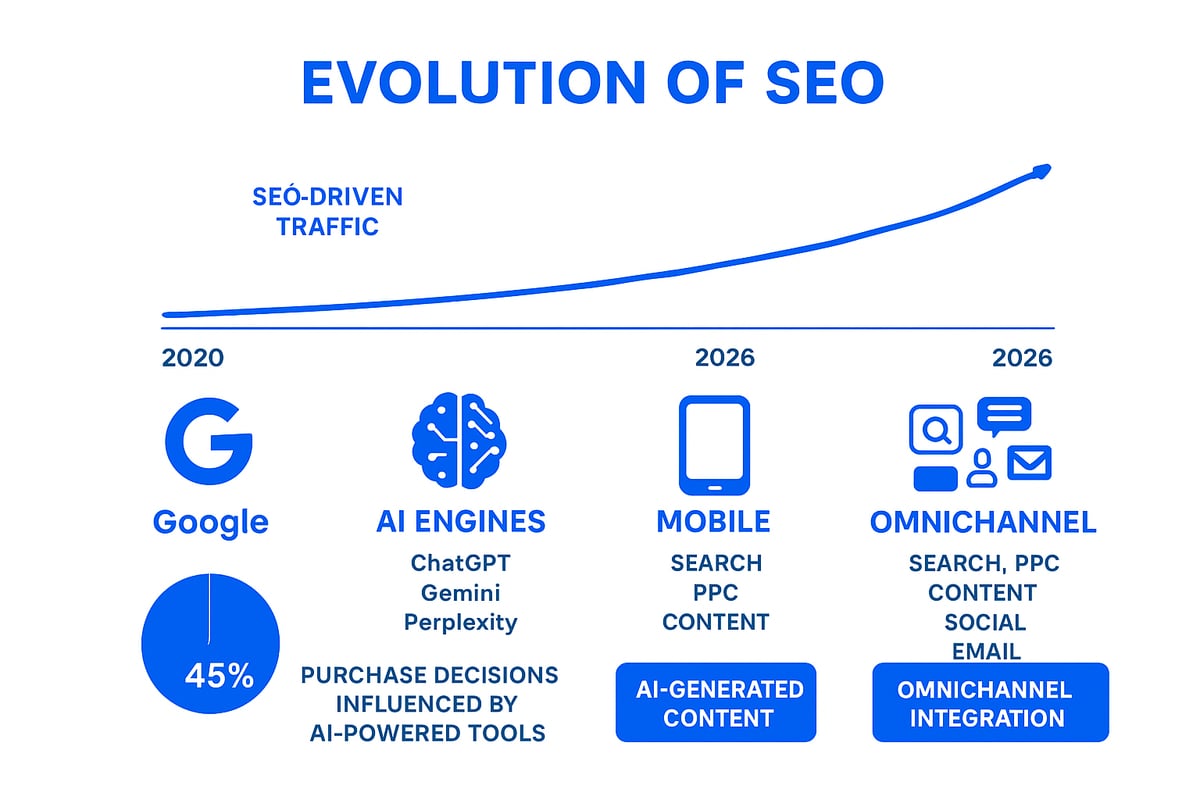
Search engines now try to answer users right on the results page with rich snippets, AI‑style summaries, and interactive features, so a lot of “easy” clicks have disappeared. That means as digital marketers, we have to create content that’s good enough to be quoted, not just listed. Think in topics, not single keywords.
- Structure posts with clear sections, bullets, and FAQs so machines can “read” you easily.
- Aim for content that genuinely deserves to be the source an AI pulls from.
EEAT: your brand as a trusted source
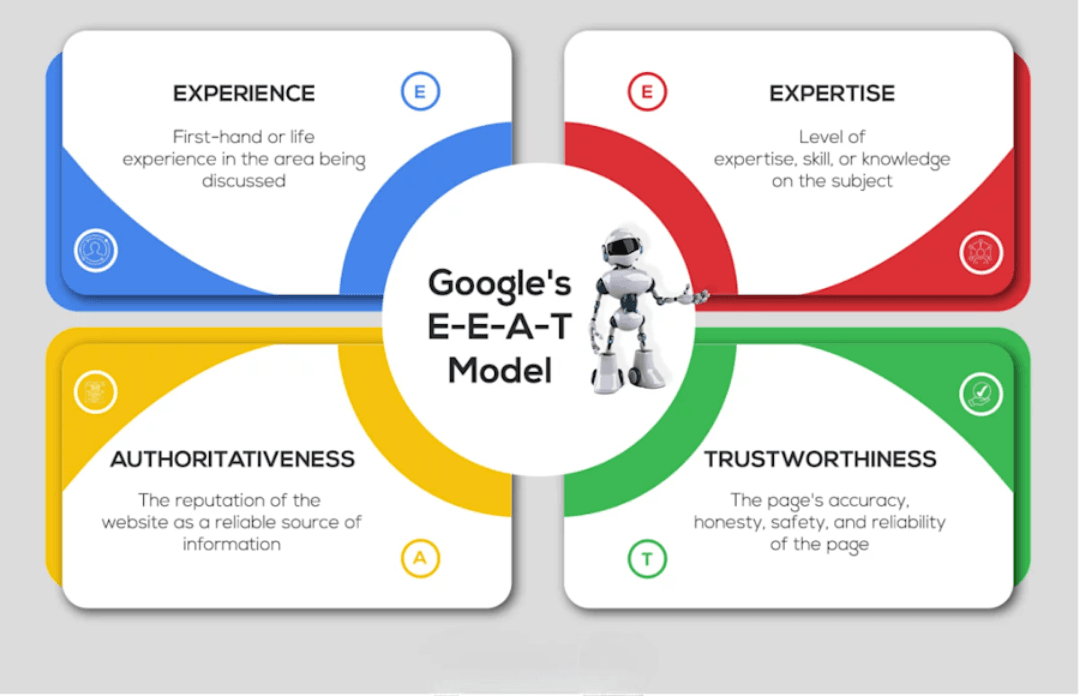
For SEO trends 2026, search engines look hard at who is behind the content and whether they can be trusted. This is often described as EEAT: Experience, Expertise, Authoritativeness, and Trustworthiness.
For digital marketers, this means:
- Show experience: case studies, results, campaign breakdowns, real screenshots.
- Show expertise: author bios, roles, years in the industry, and niche focus.
- Build trust: honest claims, clear sources, and updated content instead of “set and forget.”
Content clusters, not random posts
Posting one‑off blogs on random topics doesn’t cut it anymore. High-performing websites establish content clusters, that is, a single powerful “pillar” page accompanied by relevant interlinked articles. For instance, if your SEO target is “SEO for small businesses”:
- Pillar: “The SEO for Small Businesses in 2026: Complete Guide”
- Cluster posts:
- “Local SEO Checklist for Brick-and-Mortar Stores”
- “How to Use Content Clusters for Local Ranking”
- “Simple Analytics Setup for SEO Beginners”
Such a structure not only assists users in navigating but also indicates to search engines your expertise in the subject matter.
The majority of digital marketers are using AI tools nowadays to accelerate the process of research, creating outlines, and even writing first drafts of content. When applied properly, AI can be the one doing all the annoying tasks for you while you are the one doing strategy, creative work, and getting the results.
A simple workflow:
- Utilize AI to brainstorm topic ideas, outlines, and FAQ lists.
- You write fast, after that, you edit hard: add your own stories, successes, failures, and screenshots.
- Optimise after writing: refine headings, internal links, calls‑to‑action, and meta tags.
The goal is not to publish AI text faster; it’s to use AI so you can publish better human content consistently.
A friendly framework for each SEO blog post
When you sit down to write your next post for a digital marketing audience, try these SEO trends 2026:
- Hook them in 2–3 lines
- Name the problem (e.g., “traffic is flat even though you’re posting weekly”) and promise a clear outcome.
2. Answer the main question early
- Give a quick, skimmable answer before diving deep so busy marketers get value fast.
3. Break it into actionable sections
- Each H2 should feel like a mini‑result: audit, strategy, implementation, measurement, next steps.
4. Add “do this next” at the end
- A simple checklist, a template, or a quick action plan keeps your content practical and shareable.
How to Increase Business with Digital Marketing Services